Australian Aboriginal Tribal Scarification and Flagellation Practices
Among the many cultural traditions of the Indigenous peoples of Australia, bodily modification and ritualized endurance have historically played an important role in expressing identity, spirituality, and social belonging. Practices such as scarification and ritual flagellation were not acts of random violence or punishment; rather, they were deeply meaningful ceremonial activities embedded within systems of law, kinship, and cosmology. Across the hundreds of Aboriginal nations that existed prior to European colonization, these practices varied widely, yet they commonly functioned as rites of passage, symbols of clan affiliation, and expressions of spiritual connection to ancestral traditions.
Cultural Context of Body Modification
Traditional Aboriginal societies were organized around complex systems of kinship and customary law. Knowledge about the land, ancestors, and sacred stories—often referred to as the Dreaming or Dreamtime—structured social life and ceremonial practice. Within this framework, the human body itself became a canvas through which cultural meaning could be displayed.
Scarification, the deliberate cutting of the skin to create permanent raised scars, was one of the most visually striking forms of body modification. These scars could represent clan identity, social status, or successful completion of initiation rituals. In some communities, the patterns and placement of scars were unique markers that indicated an individual’s place within the community.
Flagellation—ritualized whipping or striking of the body—sometimes formed part of initiation ceremonies or mourning practices. Rather than serving as punishment, these acts symbolized endurance, transformation, and commitment to the spiritual laws governing the community.
Scarification as a Rite of Passage
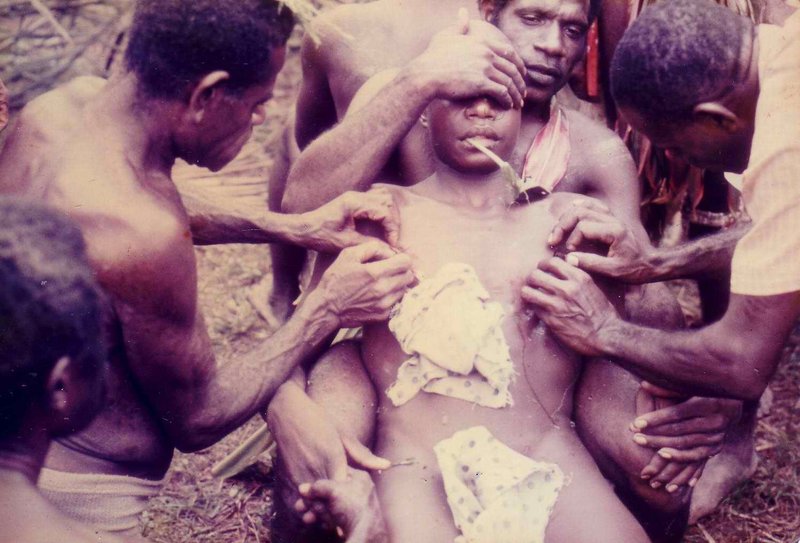
Scarification was most often associated with initiation ceremonies that marked the transition from childhood to adulthood. Among several Aboriginal groups across northern and central Australia, boys undergoing initiation were subjected to carefully controlled cutting procedures performed by elders or ritual specialists.
The process typically involved making incisions in the chest, shoulders, back, or upper arms. Ash, clay, or plant materials might then be rubbed into the wounds to encourage raised scars known as keloids. Once healed, the scars formed distinctive patterns that could signify the initiate’s successful passage into manhood.
The physical pain of the process held symbolic importance. Enduring the cutting without showing fear or distress demonstrated courage, discipline, and readiness to assume adult responsibilities. Elders interpreted the initiate’s composure as evidence that he possessed the emotional strength required to uphold cultural law.
For many communities, these scars also had spiritual significance. They were believed to mirror markings associated with ancestral beings who shaped the landscape during the Dreaming. By receiving similar marks, initiates symbolically aligned themselves with these powerful ancestral forces.
Regional Variations
Scarification traditions varied significantly across the continent. Northern groups, particularly in Arnhem Land and parts of the Kimberley region, developed elaborate patterns consisting of rows of raised scars across the chest and shoulders. These designs were often highly structured and carried specific cultural meanings.
In contrast, some central Australian groups practiced more limited forms of scarification or used other initiation rites instead, such as tooth avulsion (removal of a tooth) or circumcision and subincision. The diversity of practices reflects the immense cultural variation among Aboriginal societies, each with its own ceremonial traditions and laws.
Women also participated in scarification in certain regions, although the patterns and contexts differed from those of men. Female scarification sometimes marked marriageability, maturity, or affiliation with particular kinship groups.
Ritual Flagellation
Flagellation practices occurred less universally than scarification but still held ceremonial importance in some Aboriginal traditions. In certain mourning rituals, relatives of the deceased would strike themselves with sticks, shells, or specially prepared implements. This act served as a physical expression of grief and respect for the departed.
Blood drawn during these rituals symbolized both emotional pain and spiritual connection to the deceased person. The act of wounding oneself publicly demonstrated loyalty to kin and acknowledged the profound impact of the loss on the community.
Flagellation could also appear within initiation ceremonies. During these events, initiates might be struck lightly by elders or fellow participants as part of symbolic trials designed to test endurance. Similar to scarification, the ability to withstand pain without complaint represented discipline and courage.
Spiritual and Social Meanings
In many Aboriginal cosmologies, physical transformation was believed to mirror spiritual transformation. Initiation ceremonies often reenacted mythological events involving ancestral beings who themselves underwent acts of bodily change or sacrifice. Scarification and flagellation thus served as symbolic re-creations of these sacred narratives.
These practices also reinforced communal bonds. Initiation ceremonies typically involved large gatherings where elders instructed young people in sacred knowledge, cultural responsibilities, and survival skills. The physical trials of the ceremony marked the initiate’s formal entry into the network of obligations that sustained the community.
The marks left on the body functioned as lifelong reminders of these responsibilities. A scarified chest or shoulder served not merely as decoration but as visible evidence that an individual had undergone the teachings and trials required to become a full member of the society.
Impact of Colonization
The arrival of European settlers in the late eighteenth and nineteenth centuries dramatically disrupted many Aboriginal cultural practices. Missionaries and colonial authorities frequently discouraged or outright prohibited traditional ceremonies, including scarification rituals. As Aboriginal communities were displaced from their lands and subjected to assimilation policies, the transmission of ceremonial knowledge was severely affected.
Despite these pressures, elements of traditional culture survived. In some remote regions, initiation ceremonies continued into the twentieth century, although often in modified forms. Today, many Aboriginal communities maintain strong connections to ancestral traditions, and cultural revitalization movements have helped preserve knowledge about historical practices.
Contemporary Perspectives
Modern Aboriginal communities approach these traditions in diverse ways. Some regard scarification and related rituals as important aspects of cultural heritage, even if they are no longer widely practiced. Others choose to preserve the knowledge symbolically through storytelling, art, and ceremonial performance rather than through the original physical practices.
Anthropologists and historians now study these traditions with greater sensitivity, recognizing that earlier colonial descriptions often misunderstood or misrepresented them. Contemporary scholarship emphasizes the cultural meanings and social structures that gave rise to these practices rather than portraying them as exotic or primitive customs.
Conclusion
Scarification and ritual flagellation in Aboriginal Australia were deeply embedded within complex cultural systems that valued endurance, spiritual connection, and social responsibility. Far from being acts of cruelty, these practices served as meaningful rites of passage, expressions of mourning, and markers of identity within Indigenous societies.
Understanding these traditions requires acknowledging the diversity of Aboriginal cultures and the profound significance that ceremonial practices held within them. Although colonial disruption altered the transmission of many rituals, the cultural knowledge surrounding them remains an important part of Aboriginal heritage. Through ongoing research and cultural preservation efforts, these traditions continue to inform a richer understanding of Indigenous Australian history and identity.